
Green Turtle Hammock Nature Preserve
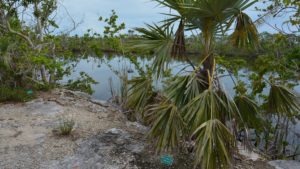
Islamorada 0.4 milesOn a wild sliver of Upper Matecumbe Key, footpaths wind through a rockland tropical hammock where a rocky crevice emits sulfur fumes and signs warn of crocodiles.

Florida Hikes
Hike Bike Paddle Camp Florida with authors Sandra Friend and John Keatley as your guides
The Florida Keys introduce you to the most tropical habitats within the United States
On a wild sliver of Upper Matecumbe Key, footpaths wind through a rockland tropical hammock where a rocky crevice emits sulfur fumes and signs warn of crocodiles.
On an island visible from the causeway between Lower and Upper Matecumbe Keys, walk into the past to discover the birthplace of Dade County.
John takes a trip back in time with Florida Keys historian Brad Bertelli to discover the layers of history found on Indian Key, once the county seat of Dade County
The City of Islands, Islamorada is a chain of tropical islands in the Florida Keys stretching from Tavernier to Lower Matecumbe Key, with tropical forests and hidden beaches.
Rare pine rockland and rockland tropical hammock are key habitats for Key deer along this immersive interpretive loop on Big Pine Key.
Molasses Reef, the most accessible living coral reef in the United States, is the reason that John Pennekamp Coral Reef State Park exists in the Florida Keys.
The northernmost of the populated Florida Keys and the first one reached when driving south along US 1, Key Largo has a hidden landscape of natural habitats along its shores.
On the interpretive Key Largo Hammock Nature Trail, tunnel into the largest tropical forest in the United States to enjoy its natural beauty while learning about its unusual trees
Protecting an endangered species of cactus only found in the Keys, Cuba, and the Bahamas, Key Tree Cactus Preserve showcases a tropical hardwood hammock edged by mangroves.
The southernmost point in the United States, Key West has a long and storied history and a tropical vibe. Lush parks and gardens complement its better-known beaches.
On a recent visit to Key West, we sought its natural side - what it looked like before it became a city. And since it's been a city for more than 150 years, it takes a bit of sleuthing to find natural habitats.
Boardwalks and footpaths wind through curated plant collections against a backdrop of natural habitats at the Key West Tropical Forest & Botanical Garden.


