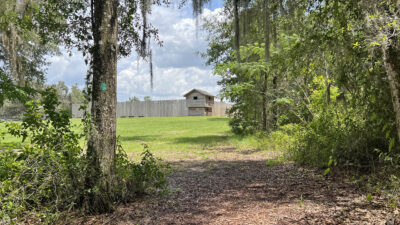
Carney Island Conservation Area
Ocklawaha 4.0 milesAs a peninsula in Lake Weir, parts of Carney Island Conservation Area are naturally air-conditioned. Walk 4 miles beneath ancient oaks and expect to see wildlife.

Florida Hikes
Hike Bike Paddle Camp Florida with authors Sandra Friend and John Keatley as your guides
Florida’s original tourist destination, Silver Springs is both one of the world’s largest springs and the name of the community that grew up around it in the 1800s.
As a peninsula in Lake Weir, parts of Carney Island Conservation Area are naturally air-conditioned. Walk 4 miles beneath ancient oaks and expect to see wildlife.
East vs. West: which is best? I hiked both as a loop, so here's a rundown of how the two corridors of the Florida Trail compare through Central Florida - and a little trail history.
Spanning 110 miles between the St. Johns River near Palatka and the Gulf of Mexico, the Marjorie Harris Carr Cross Florida Greenway is a mile-wide recreational corridor.
2.7 miles. On a sliver of restored sandhill, the Baseline section of the Florida Trail provides a stroll within a forested oasis surrounded by suburbia.
43.8 miles. A prime destination for backpacking and day hiking south of Ocala, the Florida Trail follows the Cross Florida Greenway between the Withlacoochee and Ocklawaha Rivers.
3 miles. Marvel at towering trees in an ancient forest along this Florida Trail segment on the Cross Florida Greenway.
Spanning 72.3 from the birthplace of the Florida Trail into the world’s largest sand pine scrub forest, the Ocala section is Florida’s top backpacking destination.
5.1 miles. History is on display along this segment of the abandoned Cross Florida Barge Canal, from a town demolished nearly a century ago to agricultural land undergoing habitat restoration.
Linking Withlacoochee State Forest and the Cross Florida Greenway, the 241 mile Western Corridor of the Florida Trail accesses wild spaces between Tampa and Ocala.
In Florida, water is an ever-present part of our lives. A visit to the Rainbow River yesterday brought back memories of the past and concerns for the future of Florida's waters.
Forty largely wooded acres within a residential area in Ocala encompass an important piece of Florida history: the site of the first U.S. Army fort built in the state's interior.
On November 24, 1908, President Theodore Roosevelt set aside a large piece of land east of Ocala for future generations by declaring it the Ocala National Forest, one of the first in the eastern United States. We celebrate its centennial.