Castillo de San Marcos
The only remaining 17th century fortress in North America, the Castillo de San Marcos defended the Spanish colony of St. Augustine from two British sieges in the 1700s.

Florida Hikes
Hike Bike Paddle Camp Florida with authors Sandra Friend and John Keatley as your guides
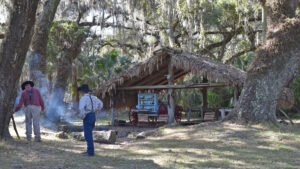
Florida parks providing ongoing living history demonstrations, often with reenactors in costume as guides or active interpreters of the site.
The only remaining 17th century fortress in North America, the Castillo de San Marcos defended the Spanish colony of St. Augustine from two British sieges in the 1700s.
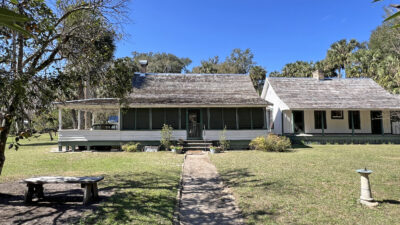
For a ramble through a authentic Florida pioneer homestead, visit Dudley Farm Historic State Park, which interprets the life of the 1800s Florida family that lived here.
With 1,100 acres of pristine beaches, towering dunes, maritime forest, and estuarine tidal marshes, Fort Clinch State Park is one of Florida’s paramount recreational areas.
Roam an impressive, interpreted Third System fortress on the Florida coast along this walking tour that makes a circuit of the interior of Fort Clinch.
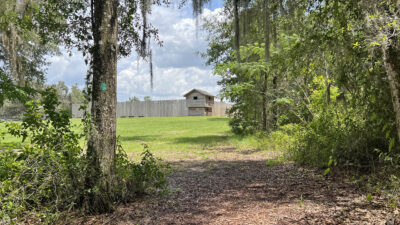
Part of Hillsborough River State Park, Fort Foster State Historic Site takes you back to the era of Florida's earliest pioneer settlers and their clashes with the native Seminoles.
Forty largely wooded acres within a residential area in Ocala encompass an important piece of Florida history: the site of the first U.S. Army fort built in the state's interior.
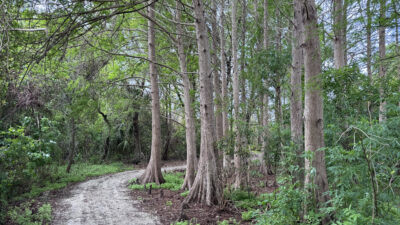
Discover the beauty of the land between the lakes east of Lake Wales while exploring the vast prairies and fern-laden hammocks of Lake Kissimmee State Park.
Step back in time within the homestead of Pulitzer-prize winning novelist Marjorie Kinnan Rawlings on pathways she once trod in Cross Creek.
Since 1970, Morningside Nature Center has been Gainesville's flagship nature park, protecting the largest stand of longleaf pine savanna remaining within city limits.
A replica of a pioneer settlement and set of loop trails blend history with nature at this family-friendly city park in St. Cloud.
Built in 1842, the St. Marks Lighthouse played a pivotal role during the Civil War. Despite its light being quenched during the war, it remains a working lighthouse marking the location of the St. Marks River.